How can I reduce acne redness and swelling naturally?

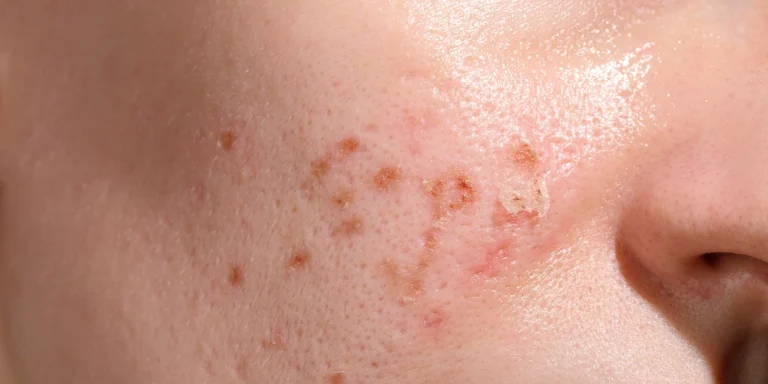
Acne is a common skin problem that affects people of all ages in the United States. Redness, swelling, and inflammation make the skin look irritated and uncomfortable. Many people look for natural ways to calm their skin without harsh chemicals. Natural remedies can help soothe irritation, reduce redness, and improve overall skin health. Using simple ingredients from home can be gentle and effective. A consistent routine often brings better results than occasional treatments. Understanding the causes of acne flare-ups is important for prevention. Diet, stress, and hygiene all play a role in skin health. Natural treatments can complement proper skincare habits. This guide explains safe and effective ways to reduce acne redness and swelling naturally.
How can I reduce acne redness and swelling naturally?
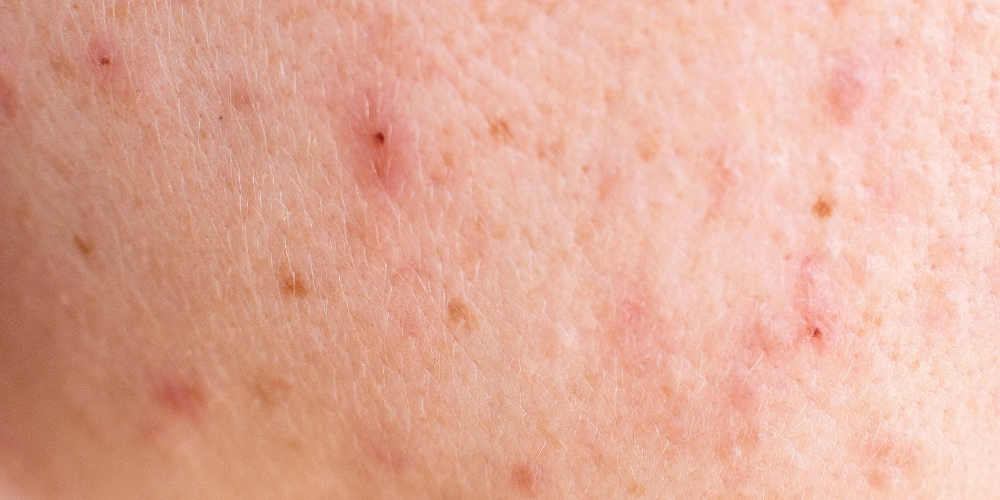
Acne redness and swelling occur when the skin becomes inflamed due to blocked pores and bacteria. Natural remedies can calm the skin and reduce irritation. Using gentle methods prevents further damage and promotes faster healing. Here are effective ways to treat acne naturally at home.
Cold Compress for Inflammation
Applying a cold compress can help shrink blood vessels under the skin. This reduces swelling and redness quickly. Wrap ice in a clean cloth and hold it on the affected area for a few minutes. Avoid direct contact with ice to prevent frostbite. Repeat several times a day for best results. Cold therapy also relieves discomfort and pain caused by inflamed pimples. For sensitive skin, use chilled green tea bags instead of ice. This combines the cooling effect with antioxidant benefits. Cold compresses can also prevent pimples from growing larger. Always clean your face gently before and after applying a compress. Consistency is key for noticeable improvement in skin redness.
Aloe Vera Gel
Aloe vera is a natural anti-inflammatory and antibacterial agent. Apply fresh aloe vera gel directly to red or swollen acne. Leave it on for 20–30 minutes, then rinse with lukewarm water. Aloe vera helps soothe irritation and supports skin healing. Regular use can prevent new breakouts and calm existing inflammation. It also moisturizes without clogging pores. For added benefits, mix aloe vera with a few drops of tea tree oil. Avoid using aloe products with added chemicals or fragrances. Aloe vera’s antioxidants help repair damaged skin tissue. Over time, redness and swelling reduce significantly with consistent use. It is safe for most skin types, including sensitive skin.
Honey and Cinnamon Mask
Honey has antibacterial properties, and cinnamon increases blood flow to the skin. Combine one teaspoon of cinnamon with two tablespoons of raw honey. Apply gently to affected areas for 10–15 minutes. Wash off with warm water and pat dry. This mask helps fight bacteria that cause acne and reduces inflammation. Honey also keeps the skin moisturized and soft. Cinnamon can boost circulation and accelerate healing. Perform a patch test first to avoid irritation. Use this mask 2–3 times a week for noticeable results. Avoid applying on broken skin to prevent stinging. The combination works well to calm redness naturally.
Green Tea Application
Green tea contains antioxidants that reduce inflammation and kill acne-causing bacteria. Brew green tea, let it cool, and apply it to the skin with a cotton ball. Leave it on for 15–20 minutes before rinsing. Drinking green tea also helps reduce internal inflammation. Antioxidants help repair skin damage and prevent future breakouts. Use unsweetened green tea to avoid added sugar affecting skin health. Green tea’s anti-inflammatory properties help shrink swollen pimples naturally. Consistent use can improve overall skin texture. It is gentle enough for daily application on sensitive skin. Combine with a mild cleanser for better results.
Tea Tree Oil Spot Treatment
Tea tree oil is a strong antibacterial and anti-inflammatory remedy. Dilute a few drops in a carrier oil like coconut or jojoba oil. Apply directly to pimples with a cotton swab. Leave it on overnight for the best effect. Tea tree oil helps reduce pus formation and swelling. Avoid overuse, as it may dry the skin. Consistent spot treatment can prevent acne from worsening. Tea tree oil also helps fade redness faster than many chemical treatments. Always perform a patch test before use. This method works best for moderate acne. Over time, it can reduce both redness and the size of pimples.
Frequently Asked Questions
Many people have questions about reducing acne redness and swelling naturally. Here are some common queries.
Q1: Can diet help reduce acne redness?
Yes, eating a balanced diet rich in fruits, vegetables, and omega-3 fatty acids can reduce inflammation. Avoiding sugary and processed foods helps prevent flare-ups. Staying hydrated also improves skin health.
Q2: How long does it take for natural remedies to work?
Natural treatments usually show results in 1–3 weeks depending on skin type and acne severity. Consistency is essential for visible improvement. Combining remedies with proper skincare can speed up healing.
Conclusion
Reducing acne redness and swelling naturally requires patience and consistent care. Cold compresses, aloe vera, honey, green tea, and tea tree oil are effective remedies. Each treatment helps calm inflammation and promote healing. Gentle care avoids further irritation and prevents scarring. Maintaining a healthy diet and staying hydrated support these natural methods. Avoid harsh chemicals and overwashing, as they worsen redness. Step by step, using these remedies improves skin appearance and reduces discomfort. Natural approaches work best alongside good daily skincare habits.