
What are the natural ways to treat fungal skin infections?

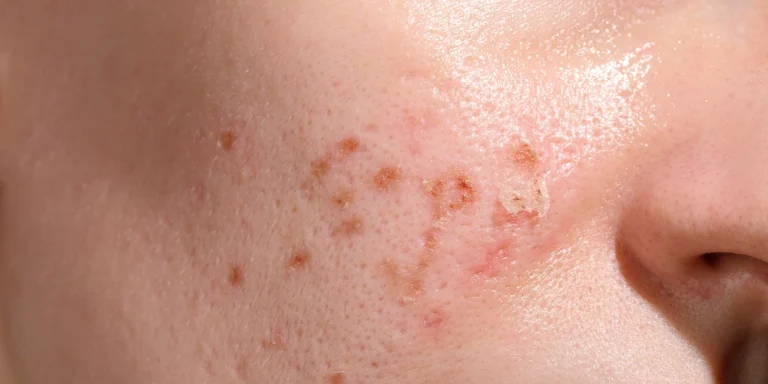
Fungal skin infections are common skin problems that affect millions of people in the United States. They can occur on different parts of the body, including the feet, nails, scalp, and skin folds. These infections are often caused by fungi that thrive in warm, moist environments. Symptoms can include redness, itching, flaking, and sometimes even painful sores. Many people prefer natural treatments to avoid harsh chemicals. Natural remedies can help soothe the skin, reduce inflammation, and fight the fungal infection effectively. Maintaining good hygiene and a healthy lifestyle is also essential in preventing these infections. Home remedies are often affordable and easy to use. Using natural ingredients can strengthen the skin’s defense. This guide will explore effective natural ways to treat fungal skin infections safely.
What are the natural ways to treat fungal skin infections?
Fungal skin infections can often be treated naturally using simple ingredients found at home or in stores. These methods aim to kill the fungus, soothe irritation, and prevent recurrence. Natural remedies are gentle and can be combined with proper hygiene for best results.
Tea Tree Oil
Tea tree oil is a powerful antifungal and antiseptic that can help clear fungal infections. Apply a few drops of diluted tea tree oil directly to the affected area twice a day. Always mix it with a carrier oil like coconut oil to prevent skin irritation. Tea tree oil works by disrupting the cell membranes of the fungus, stopping its growth. It is particularly effective for athlete’s foot and ringworm. Consistent use over several weeks is usually needed. Avoid using undiluted tea tree oil on sensitive skin. Some people may experience mild redness or itching initially. Patch testing before full application is recommended.
Coconut Oil
Coconut oil contains lauric acid, which has natural antifungal properties. It can be applied directly to the affected area multiple times a day. Coconut oil also moisturizes the skin, preventing cracks where fungi can thrive. It is gentle and safe for all skin types. Regular use can reduce inflammation and redness. Coconut oil works well in combination with other remedies, such as tea tree oil. It can also help soothe itching and burning sensations. Applying it after bathing keeps the skin protected. It is especially useful for fungal infections in skin folds.
Apple Cider Vinegar
Apple cider vinegar has strong antifungal and antibacterial properties. Mix equal parts of apple cider vinegar and water and apply it to the infected area using a cotton ball. It can help restore the skin’s natural pH balance and slow fungal growth. Using it daily can improve skin condition over time. Avoid using on open wounds or severely irritated skin. Its acidic nature helps prevent fungi from multiplying. Vinegar foot soaks are effective for athlete’s foot. It can also help reduce odor caused by fungal infections. Combining it with a moisturizing oil afterward prevents dryness.
Garlic
Garlic contains allicin, a compound with antifungal properties. Crush a few garlic cloves and apply the paste directly to the affected area. Leave it on for 10–15 minutes before washing off. Garlic can help reduce fungal growth and inflammation. Regular application is needed for noticeable results. It works best for mild skin infections. Garlic may cause a strong odor and mild skin irritation. Mixing it with olive oil can make it gentler on the skin. Avoid using on broken skin to prevent burning sensations. Incorporating garlic into your diet may also support the immune system.
Yogurt
Plain, unsweetened yogurt contains probiotics that help restore healthy skin flora. Apply yogurt directly to the infected area and leave it on for 20 minutes. It can help inhibit fungal growth naturally. The cooling effect of yogurt soothes redness and itching. Consistent use may prevent infections from returning. Yogurt masks can be used daily for sensitive skin areas. Combining yogurt with honey can enhance its antifungal properties. It is safe for most people, including children. Yogurt also helps maintain skin hydration.
Proper Hygiene and Clothing
Keeping the affected area clean and dry is crucial for recovery. Wash the infected skin gently with mild soap and water. Dry thoroughly, especially in skin folds and between toes. Wear breathable clothing and moisture-wicking socks. Avoid sharing towels, shoes, or clothing to prevent spread. Change clothes and socks regularly to reduce moisture buildup. Using cotton fabrics allows the skin to breathe. Maintain a clean environment, such as disinfecting shoes and gym equipment. Good hygiene enhances the effectiveness of natural treatments.
Frequently Asked Questions
Fungal skin infections can raise many questions about treatment and prevention. Here are some common ones.
Q1: How long does it take for natural remedies to work?
Natural remedies can take anywhere from a few days to several weeks, depending on the severity of the infection. Consistent application is key, along with maintaining hygiene. Mild infections may clear up in one to two weeks, while persistent cases could take longer.
Q2: Can diet help prevent fungal skin infections?
Yes, a diet rich in probiotics, vegetables, and low in sugar can support your immune system. Reducing processed foods and sugary snacks helps prevent fungal overgrowth. Staying hydrated also helps maintain healthy skin.
Conclusion
Treating fungal skin infections naturally is possible with patience and proper care. Ingredients like tea tree oil, coconut oil, garlic, yogurt, and apple cider vinegar are effective when used consistently. Maintaining hygiene and wearing breathable clothing prevents reinfection. Monitoring the infection and applying remedies daily ensures faster recovery. Combining remedies may enhance results. Natural treatments are gentle, safe, and affordable for most people. Consulting a doctor is recommended for severe or persistent infections. Preventive measures, like keeping skin dry and clean, help maintain long-term skin health. Following these steps can restore healthy, clear skin naturally.