How can I hydrate dehydrated skin naturally?

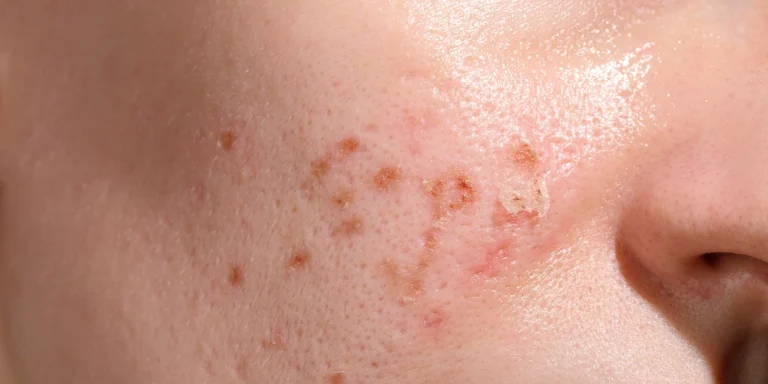
Healthy, hydrated skin is one of the keys to looking and feeling your best. Many people in the United States struggle with dry or dehydrated skin due to weather, indoor heating, pollution, and lifestyle habits. Dehydrated skin can feel tight, itchy, or rough, and may appear dull or flaky. While there are many commercial products available, natural methods can provide gentle and effective hydration without harsh chemicals. Using simple ingredients and daily habits, you can restore moisture, improve elasticity, and maintain a smooth texture. Drinking enough water, eating nutrient-rich foods, and protecting your skin from environmental stressors are essential steps. Natural oils, masks, and exfoliation routines can enhance skin hydration from the outside. Understanding your skin type and its specific needs will help you choose the right natural remedies. Consistency is important; small daily actions create long-term results. This guide will explore practical ways to hydrate dehydrated skin naturally and safely at home.
How can I hydrate dehydrated skin naturally?
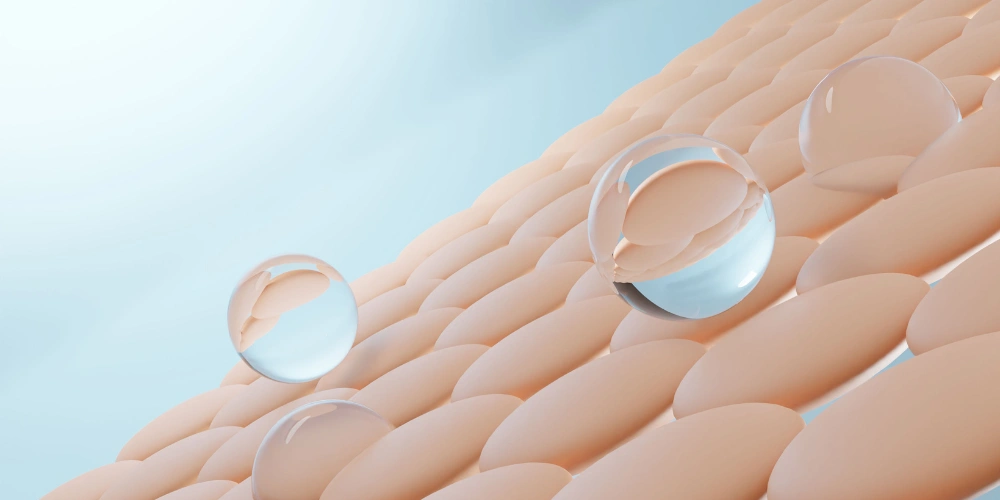
Dehydrated skin lacks water, not oil. It needs gentle care and moisture from both inside and outside. Simple natural remedies can restore hydration, soothe irritation, and improve skin texture. Combining diet, lifestyle, and topical treatments is the most effective approach.
Drink Plenty of Water
Drinking enough water is the simplest way to hydrate your skin naturally. Water helps maintain skin elasticity and flush out toxins. Adults should aim for at least 8 cups per day, adjusting for activity and climate. Herbal teas or infused water can add variety and extra antioxidants. Staying hydrated also supports overall health, improving digestion and energy levels. Keep a reusable bottle to track your intake throughout the day. Avoid excessive caffeine or alcohol, which can dehydrate your body. Adding fruits like watermelon or cucumber to your diet provides additional hydration. Over time, your skin will feel softer and look more radiant.
Use Natural Oils
Natural oils like coconut, jojoba, or almond oil can deeply moisturize dehydrated skin. These oils contain essential fatty acids that strengthen the skin barrier. Apply a small amount to damp skin to lock in moisture. Coconut oil is particularly effective for dry patches, while jojoba oil mimics natural skin oils. Almond oil is gentle and rich in vitamin E, supporting repair and hydration. Oils can also be mixed with honey or aloe vera for added benefits. Use oils at night to allow your skin to absorb nutrients while you sleep. Avoid heavily fragranced oils that may irritate sensitive skin. Consistency is key; regular use enhances hydration and smoothness.
Apply Aloe Vera Gel
Aloe vera gel is a natural humectant that attracts and retains moisture. It soothes irritation, reduces redness, and promotes healing. Apply fresh aloe gel directly from the plant or choose a pure, chemical-free store-bought option. Aloe can be used as a daily moisturizer or as a mask for deeper hydration. It works well for sensitive skin and helps with minor sunburns. Combining aloe with a few drops of natural oil enhances its moisturizing effect. Aloe also contains antioxidants that protect against free radical damage. Use after cleansing your face or on dry areas like elbows and knees. Regular use improves softness and reduces rough patches over time.
Eat Hydrating Foods
Eating water-rich foods supports skin hydration from the inside. Fruits like watermelon, oranges, and berries, and vegetables like cucumber, celery, and lettuce, provide extra fluids and nutrients. Omega-3-rich foods like salmon, chia seeds, and walnuts help maintain skin barrier health. Foods high in vitamins A, C, and E promote collagen production and repair. Incorporate hydrating soups and broths, especially during colder months. Avoid excessive salty or processed foods that can dehydrate the skin. Smoothies with yogurt and fruits can combine hydration with probiotics. Maintaining a balanced diet enhances skin texture, elasticity, and glow naturally.
Limit Hot Showers
Hot showers can strip the skin of natural oils, worsening dehydration. Opt for lukewarm water and limit shower time to 5-10 minutes. Use mild, fragrance-free cleansers instead of harsh soaps. After bathing, gently pat skin dry rather than rubbing with a towel. Apply a natural moisturizer or oil immediately to lock in moisture. Consider using a humidifier in your bedroom to maintain air moisture. Shorter, cooler showers prevent water loss and irritation. Adjust your routine seasonally, as winter air can dry skin faster. Gradually, your skin will retain more moisture and feel comfortable.
Exfoliate Gently
Exfoliation removes dead skin cells, allowing hydration to penetrate more effectively. Use gentle natural scrubs like oatmeal, sugar, or ground almonds mixed with honey or yogurt. Avoid harsh scrubs that can damage the skin barrier. Limit exfoliation to 1-2 times per week depending on skin sensitivity. After exfoliating, follow with a natural moisturizer or oil to replenish moisture. Regular gentle exfoliation improves texture, softness, and absorption of hydrating products. It also helps reduce flakiness and promotes a healthy glow. Combine exfoliation with masks or aloe vera for enhanced hydration.
Frequently Asked Questions
Many people wonder how to keep skin hydrated naturally. Here are some common questions and answers.
Q1: Can dehydrated skin become oily?
Yes, dehydrated skin can produce excess oil to compensate for the lack of water. This can cause a shiny or greasy appearance while still feeling tight or dry in some areas. Hydrating the skin with water, natural oils, and humectants helps restore balance.
Q2: How long does it take to see results with natural hydration methods?
Results vary depending on skin type and routine consistency. Most people notice improvements in softness and smoothness within 1-2 weeks of regular hydration and care. Long-term benefits, including elasticity and glow, typically take several weeks.
Conclusion
Hydrating dehydrated skin naturally is possible with consistent care. Start by drinking enough water daily and eating water-rich foods. Incorporate natural oils, aloe vera, and gentle exfoliation into your routine. Limit hot showers and protect your skin from harsh environmental factors. Pay attention to your skin’s unique needs and adjust remedies accordingly. Small, daily habits create significant long-term improvements. Be patient, as natural methods take time but provide safe and sustainable results. Healthy, hydrated skin enhances your appearance, comfort, and confidence every day.