How can I reduce skin inflammation naturally?

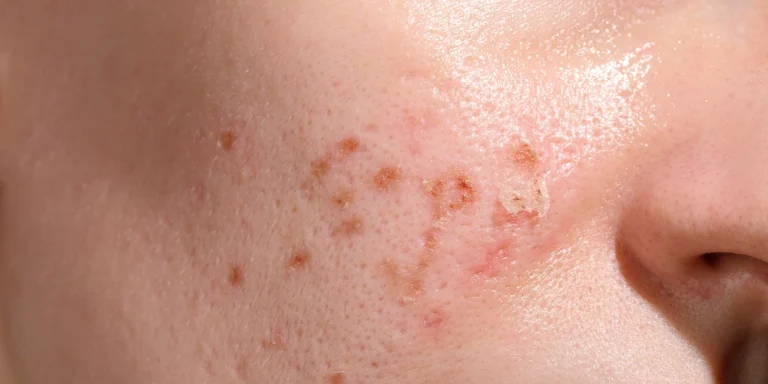
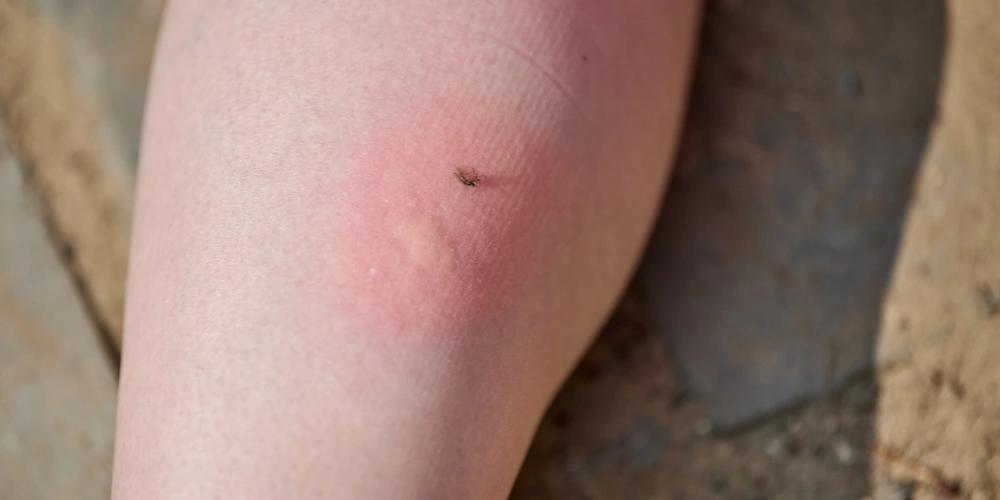
Skin inflammation is a common issue that affects many people in the United States. It can appear as redness, swelling, irritation, or itchiness on the skin. Inflammation can be caused by various factors such as allergies, stress, poor diet, or environmental pollutants. Chronic inflammation may lead to more serious skin problems like eczema or psoriasis. Taking care of your skin naturally can help reduce inflammation and improve overall skin health. Simple lifestyle changes and home remedies can make a big difference. Using natural ingredients is often safer than relying solely on chemical treatments. Proper hydration, nutrition, and gentle skincare routines play a key role. Understanding how your skin reacts to different triggers is important. This guide will provide practical steps to calm and repair inflamed skin naturally.
How can I reduce skin inflammation naturally?
Skin inflammation can be reduced naturally by making changes to your diet, lifestyle, and skincare routine. Natural methods focus on calming the skin, reducing redness, and promoting healing without harsh chemicals. Small consistent steps often lead to the best results.
Eat Anti-Inflammatory Foods
Certain foods help reduce inflammation from the inside. Leafy greens like spinach and kale are rich in antioxidants that calm the skin. Fatty fish such as salmon provide omega-3 fatty acids, which reduce swelling. Fruits like blueberries and oranges are packed with vitamin C, supporting skin repair. Nuts and seeds, including almonds and chia seeds, provide healthy fats and nutrients. Avoid processed foods and sugar, as they can worsen inflammation. Drinking green tea daily can also help reduce oxidative stress. Staying hydrated supports the natural healing process. Including herbs like turmeric or ginger in meals adds anti-inflammatory benefits. Consistently eating a balanced diet can make skin more resilient.
Use Natural Topical Remedies
Topical natural remedies can soothe irritated skin effectively. Aloe vera gel is cooling and reduces redness when applied directly. Coconut oil helps lock in moisture while calming inflammation. Honey has antibacterial properties and aids in healing wounds or acne. Oatmeal masks can relieve itching and irritation. Chamomile or green tea compresses can provide additional relief. Avoid harsh soaps or scrubs that can worsen inflammation. Apply natural remedies gently without rubbing aggressively. Consistency in application helps maintain skin balance. Testing on a small patch ensures there is no allergic reaction. Over time, these natural treatments can restore smoother, calmer skin.
Maintain Proper Skincare Routine
A gentle skincare routine prevents further inflammation. Use mild, fragrance-free cleansers to avoid irritation. Moisturize daily to support the skin barrier. Limit exposure to hot water and harsh chemicals. Exfoliate lightly only once or twice a week using natural ingredients. Protect your skin from sun damage with mineral-based sunscreens. Cleanse the skin before bed to remove pollutants and makeup. Avoid picking at acne or irritated areas. Maintaining a routine helps reduce flare-ups over time. Adjust your products according to seasonal changes and skin needs. A balanced routine strengthens the skin’s natural defenses against inflammation.
Reduce Stress and Improve Lifestyle
Stress can trigger or worsen skin inflammation. Practice relaxation techniques like meditation or deep breathing. Regular physical activity improves blood circulation and skin health. Ensure you get at least 7-8 hours of sleep each night. Limit alcohol and smoking, as they increase inflammation. Stay hydrated throughout the day. Manage workload and daily stress with breaks and hobbies. Journaling or talking to a friend can help release mental tension. Consistent stress management improves skin clarity and reduces flare-ups. Combining lifestyle changes with proper diet and skincare enhances results.
Frequently Asked Questions
Skin inflammation can raise many questions about natural remedies. Here are some common concerns and answers.
Q1: Can diet really affect skin inflammation?
Yes, diet has a significant impact on skin health. Eating anti-inflammatory foods like leafy greens, berries, and fatty fish can reduce redness and swelling. Avoiding processed foods and sugar helps prevent flare-ups. Drinking plenty of water supports healing and maintains skin hydration.
Q2: Are natural remedies safe for all skin types?
Most natural remedies are gentle, but it’s important to test them first. Apply a small amount on a patch of skin to check for allergies. Ingredients like aloe vera, honey, and oatmeal are generally safe. People with sensitive or reactive skin should introduce one remedy at a time.
Conclusion
Reducing skin inflammation naturally is possible with consistent care and lifestyle adjustments. Start by eating anti-inflammatory foods and staying hydrated. Incorporate natural topical treatments like aloe vera, honey, and oatmeal. Maintain a gentle skincare routine to protect and repair the skin barrier. Manage stress through relaxation techniques, sleep, and regular exercise. Avoid triggers like harsh chemicals, processed foods, and excessive sun exposure. Regular care prevents flare-ups and improves overall skin health. By following these steps, you can achieve calmer, healthier, and more resilient skin.